Classification
- Core Type: Religiously Inspired / Theocratic
- Subtypes:
- Family-Owned (hereditary leadership)
- Violent street mobilization
- Anti-democratic theological agenda
- Citizen Conflict Level: Extremely High
Leadership Structure
- Formal Elections: Not practiced; leadership passed from father to son after death
- Power Concentration: Entire party is ideologically and operationally centered on founder’s theological legacy
- Dissent: Intolerant; party enforces strict ideological obedience
- Institutionalization: Cultic in structure, operates more like a religious movement than a political party
Democratic Deficits
| Category | Status | Notes |
| Internal Democracy | ❌ | No evidence of party-wide elections or pluralism |
| Hereditary Succession | 🔴 | Leadership passed directly from father (Khadim) to son (Saad) |
| Religious Neutrality | 🔴 | Party is explicitly theocratic; advocates enforcement of blasphemy laws |
| Rule of Law | ❌ | Uses threats and violence to pressure the state (e.g., sit-ins, riots) |
| Civil Liberties | ❌ | Advocates for repression of minorities and free speech |
Ideology
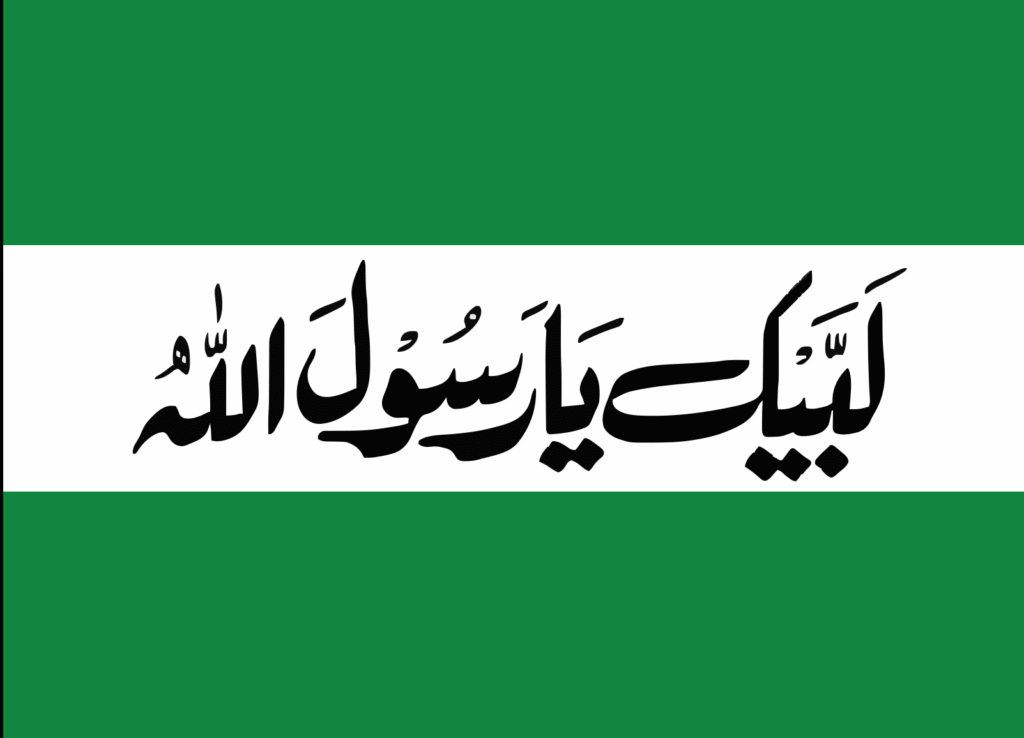
- Stated: Protection of Prophet Muhammad’s honor (Namoos-e-Risalat), enforcement of Shariah
- Actual: Barelvi Islamist populism + religious vigilantism
- Religious Rhetoric: Central to all messaging; Quranic and Hadith references used to legitimize political action
🤝 Known Affiliations
- Barelvi clerical networks
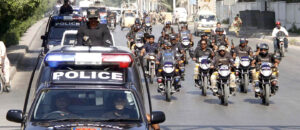
- Militant street cadres; has history of violent protests and attacks on police
- Unofficial links with religious seminaries; possible tactical use by state agencies
Controversies
- Incited nationwide riots over perceived blasphemy incidents
- Demanded expulsion of French ambassador over cartoons
- Responsible for mob violence, attacks on police, and damage to public property
- Legitimizes violence as a tool of political expression
- Opposes democratic pluralism and minority rights (esp. Ahmadis and Shias)